The current agriculture infrastructure releases high levels of greenhouse gas emissions through transportation, planting, harvesting, processing and the production of livestock, in addition, pesticides, herbicides and fertilisers contribute significantly towards water pollution. 

Implementing sustainable agriculture has several enablers in reducing greenhouse gas emissions and controlling climate change as well as has a critical role in ensuring sufficient food supply to the worlds growing population. 

The change of climate can be controlled in the agricultural sector by:

Sustainability

Efficient Water and Waste Management

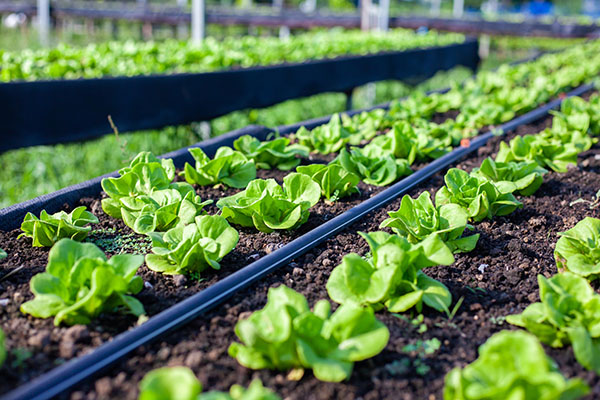
We move away from high-loss irrigation methods like flood irrigation. Instead, we use precision drip irrigation and hydroponics. Our team implements closed-loop water systems. We filter and reuse wastewater from livestock for soil irrigation. This minimizes our footprint on local water tables and conserves water.

Healthier Soil through Cleaner Chemistry

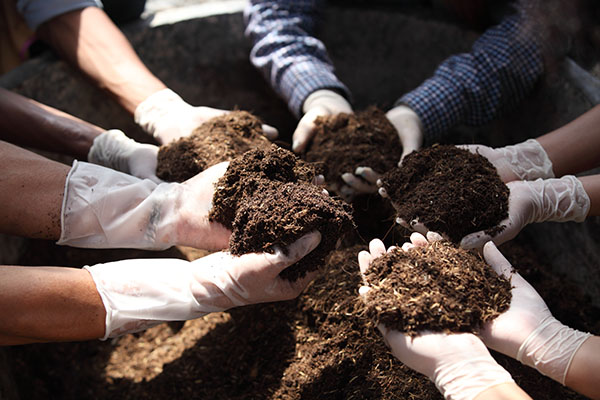
We replace synthetic pesticides and fertilizers with organic bio-stimulants. These water-based solutions reduce soil and water pollution. We prioritize responsible nutrient sourcing for all crops. Our farmers use composted agricultural waste to keep the soil a living resource. We also use non-GMO and heirloom seeds to protect biodiversity.

Healthier Soil through Cleaner Chemistry

We replace synthetic pesticides and fertilizers with organic bio-stimulants. These water-based solutions reduce soil and water pollution. We prioritize responsible nutrient sourcing for all crops. Our farmers use composted agricultural waste to keep the soil a living resource. We also use non-GMO and heirloom seeds to protect biodiversity.

Decarbonizing the Supply Chain

We address transportation and harvesting emissions through localized production. Lima Mzansi integrates solar-powered cold storage into our operations. We use electric or bio-fueled machinery to decouple production from fossil fuels. These steps achieve major reductions in CO2 emissions. Our soil carbon sequestration efforts build resilience against climate shocks.

The Circular Economy of Mixed Farming

Mixed farming serves as the core of our circular model. We ensure the waste of one process becomes the input for another. Livestock manure provides the clean chemistry needed for soil health. We use non-edible plant parts as feed for livestock. Crop residue also serves as mulch for moisture retention. This approach creates a zero-waste agricultural model.

Efficiently managing the resource of water is fundamental in agriculture, it is critical that farmers preserve water, reduce consumption and limit water waste where possible. There are several ways in which this can be achieved

To read more and understand how visit: https://www.forigo.it/en/news/water-saving-in-agriculture-heres-how-to-limit-water-waste 

The state of current soil health is in serious jeopardy, however this can be easily rectified, having health soil can provide farmers with the below benefits:

  • Water benefits 
  • Nutritious food 
  • Economic security 
  • Environmental and health benefits


To read more visit:

https://www.farmersweekly.co.za/farming-basics/how-to-crop/soil-health-farming-with-nature-guided-by-science/ 

https://www.arc.agric.za/arc-iscw/News%20Articles%20Library/The%20benefits%20of%20healthy%20soil.pdf

Climate change is affecting agricultural production on a global scale, as a result food security is in jeopardy due to environmental impacts such as droughts, rising temperatures and flooding. To combat the impact of climate change, localised farming is encouraged. South Africa is warming at twice the global rate, therefore a desperate need to increase localised farming is imperative to reduce the threat of food security.

To read more visit: https://www.euronews.com/green/2022/07/01/agriculture-vs-climate-change-can-we-feed-the-world-with-a-warmer-planet https://cer.org.za/news/if-we-dont-act-now-on-climate-change-this-is-what-life-in-south-africa-will-look-like

Mixed farming is a system of farming where the farmer grows crops and also rear livestock. The benefits of mixed farming is as follows:

      • Increase in productivity 
      • Reduction in the need for Artificial Fertilizer
      • Less Likelihood of Total Crop Failure
      • Suppression of Pest
      • Soil Fertility 
      • Suppression of weed


To read more visit: https://bscholarly.com/advantages-and-disadvantages-of-mixed-farming/ 

 

Sustainability Solutions

  • Application for Lima Mzansi: Move away from high-loss irrigation (like flood irrigation) toward precision drip irrigation and hydroponics/aquaponics.
  • Recirculation: Lima Mzansi can implement closed-loop water systems where wastewater from livestock or processing is filtered and reused for soil irrigation, minimizing the footprint on local water tables.
  • Application for Lima Mzansi: Replace synthetic “pesticides, herbicides, and fertilizers” (mentioned in your text as pollutants) with organic, water-based bio-stimulants.
  • Regenerative Sourcing: Lima Mzansi should prioritize responsible nutrient sourcing: using composted agricultural waste rather than chemical-heavy inputs to ensure the soil remains a “living” resource rather than a depleted one.
  • Application for Lima Mzansi: Address the “transportation, planting, and harvesting” emissions by adopting localized production.
  • Renewable Energy: Lima Mzansi can integrate solar-powered battery storage and electric farm machinery to decouple food production from fossil fuels, achieving major CO2 reductions.
  • Application for Lima Mzansi: This is the core of Mixed Farming. The “waste” of one process becomes the “input” for another.
    • Livestock & Crops: Manure from livestock provides the “cleaner chemistry” for soil health.
    • Crop Residue: Non-edible plant parts serve as feed for livestock or mulch for moisture retention.

Lima Mzansi’s Agriculture Sustainability

Sustainable Practice Lima Mzansi Strategy Sustainability Outcome
Water-free Production Precision Drip / Hydroponics Massive water conservation
Cleaner Chemistry Organic Bio-fertilizers Reduced water/soil pollution
Responsible Sourcing Non-GMO / Heirloom Seeds Biodiversity & food security
Recyclable/Circular Mixed Farming (Waste-to-Feed) Zero-waste agricultural model
Durable Design Soil Carbon Sequestration Resilience against climate shocks
Sustainability